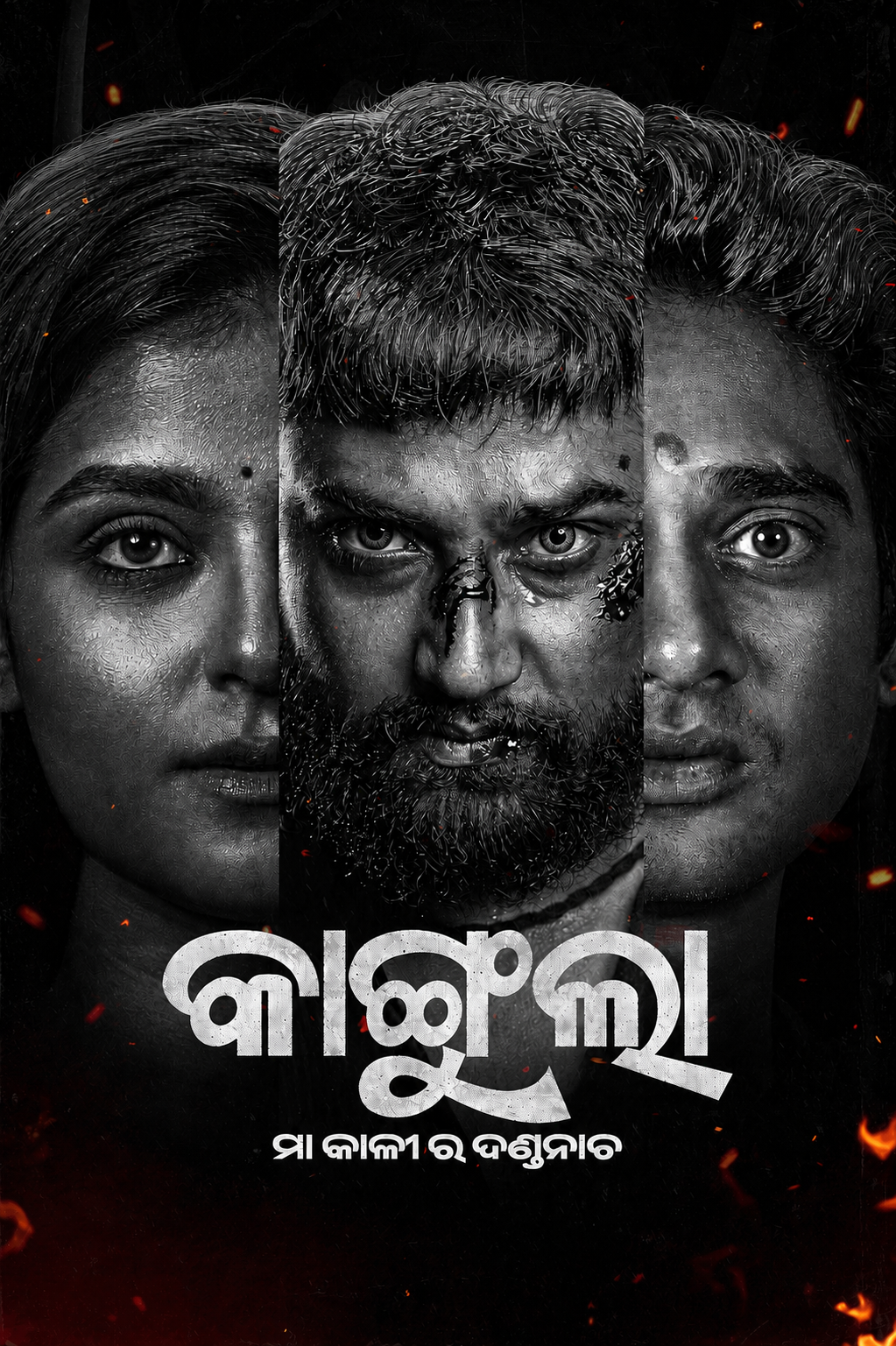
Kangula: Maa Kali ra Danda Nacha, directed by Ashwin Tripathy is a sincere attempt to bring the spiritual and cultural essence of Danda Nacha to the big screen. In recent years, Odia cinema has been searching for stories rooted in Odisha’s culture and tradition. Set in the village of Kangula from Anugul district, the film blends faith, folklore, devotion, romance and mystery into a commercial narrative.
Story line
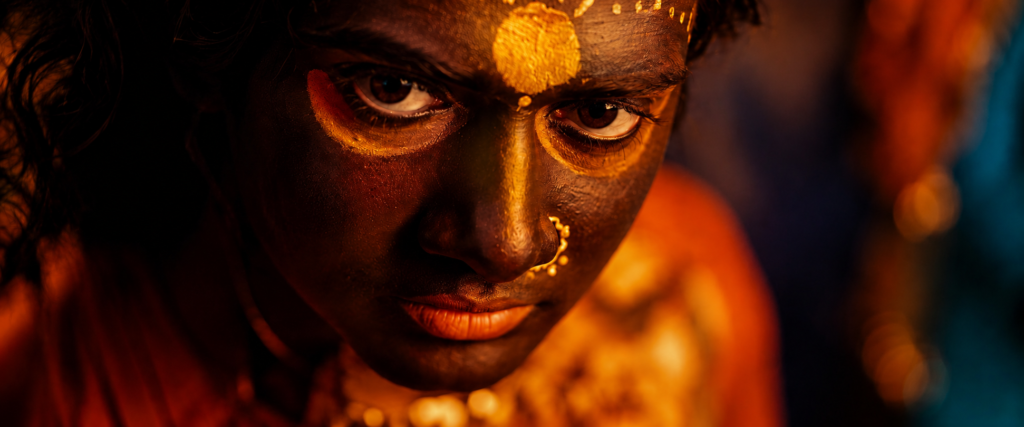
Kangula is a devotional drama rooted in the rich cultural tradition of Danda Nacha in rural Odisha. The film follows the journey of a young man whose life becomes deeply intertwined with faith, devotion, and the spiritual practices of his community. As he faces personal struggles, social challenges, and emotional conflicts, he finds himself drawn towards the path of sacrifice and belief embodied by the Danda tradition. Through its narrative, the film explores themes of faith, cultural identity, family bonds, and the enduring power of tradition in a rapidly changing world.
Director
Every time Ashwin has taken the social issues in his film and had developed well. But this describes his passion towards Ollywood cinema. Ashwin deserves appreciation for bringing the culturally significant tradition of Danda Nacha to the forefront and presenting it in a manner that remains accessible to contemporary audiences.
Music
One of the most impressive aspects of this film is its music. The devotional song blend naturally with the narrative and enhance the emotional impact of important scenes. And the background score effectively preserves the film’s spiritual atmosphere.
Cinematography
Ishwar Barik as cinematographer had effectively captured the spiritual and cultural essence of Danda Nacha, bringing the rituals and rural landscapes to life with authenticity.
Screenplay
The screenplay by Anil Barik is one of the film’s major strength. It remains engaging for most of its runtime, though the pacing becomes uneven in some parts. The first half of the film leans heavily on comedy, romance and friendship, while the second half focuses more on devotion, mystery and transformation. This tonal shift may abrupt some viewers views but had offered something increasingly rare in modern Odia cinema.
Art Director
The sets and cultural details feel authentic and help immerse the audience in the film’s world. While some locations could have been utilized more creatively, the overall design successfully supports the narrative and strengthens the film’s cultural identity. Sudhanshu Mohanty and team had given a nice effort to make set looks natural.
Performances
As central character Sambeet had delivered a committed performance. I had seen many film of Sambeet but this according to me was best performance he had ever given. He was grooming up himself day by day.
Suryamayee provides a convincing screen presence. Her performance is her ability in conveying emotion through facial expression and body language. Her dialogue delivery feels effortless and blends naturally with the rural setting of the film.
Director had experimented on Abhisek Giri with new look and character which Giri had clearly maintained in the film. At certain points the character’s arc could have been explored in greater depth. Might the shifting of character from simplicity to aggression made him little confused. If he would have given some time to grow that then it would have been best.
Pradyumna Lenka no doubt a senior and experienced actor but at some point had failed to convince through his acting in this film.
Pupinder had shared a less screen time but had done a promising character.
Sritam Das had done well in this film, may not have the most flamboyant role in but had delivered a sincere and dependable performance. But his appearance went like educated one more than that of farmer. Here makeup and costume designer could have worked hard to justify his character.
Susant Dash might have worked in other films but has not been noticed, but in this his engagement makes him to be noticed. He is grooming up himself day by day.
Chenta a small packet but had always made viewers feel natural when performs on screen.
Dally Apa as usual no one can beat her in the role of a mother. She might have shared small duration on screen but had given her best.
Makup Artist
Throughout movie it was good but towards the climax, Sourav could have incorporated more of his own creative vision, which might have made the final moments feel more distinctive and memorable. Additionally, one of Abhisek’s looks bears a noticeable resemblance to the makeup and styling of Allu Arjun in the movie Pushpa: The Rise. A more original visual approach would have helped the character establish a stronger individual identity.
Screenplay, Writer and Dialogue
The writer deserves credit for building a story rooted in Odisha’s cultural and spiritual traditions, making Danda Nacha the heart of the narrative. However, the screenplay occasionally struggles with pacing, as certain sequences. Where dialogues were supporting the characters.
Next comes the strength and flaws in the Movie
Some says it was an copy of south film Kantara, which is not true. But yes I can say it has been inspired by it.
The connection built between God and Sambit was shown well.
Discussing flaws does not imply that a film is unsuccessful; rather, it highlights areas where talented filmmakers can further improve in future projects.
Second half of the film went slow.
Although the story attempts to create emotional connection between the characters and the cultural backdrop, some moments do not generate the emotional impact they aim for. Like after death of Abhisek, Sambeet broke into emotion here his impact can be seen but not that emotion. So this kind of relationship deserves more depth and development in emotion.
Some of cast’s costume and makeup could have been made more prominent as it was not giving the feel of that rural one.
Background score at some part elevates the scenes where in some parts it went flat.
A climax of this film carries emotional and spiritual significance, but it does not fully capitalize on the tension created earlier. So the impact of the thrilling at climax went off. A more gripping and surprising conclusion could have elevated the climax experience.
Overall Verdict
Kangula is a culturally rich devotional drama that succeeds in bringing the spirit of Danda Nacha to the big screen. While the screenplay and visual execution have room for improvement, the film’s sincerity, performances, and cultural depth make it a worthwhile theatrical experience.
For audiences familiar with Danda Nacha, Kangula evokes a sense of nostalgia and cultural pride. For those unfamiliar with the tradition, it serves as an accessible introduction to a unique and significant aspect of Odisha’s heritage.
Through Kangula, the filmmakers demonstrate that audiences are still willing to embrace stories deeply connected to their roots. The film may not revolutionize storytelling, but it successfully reinforces the importance of preserving and celebrating Odisha’s cultural identity through cinema.