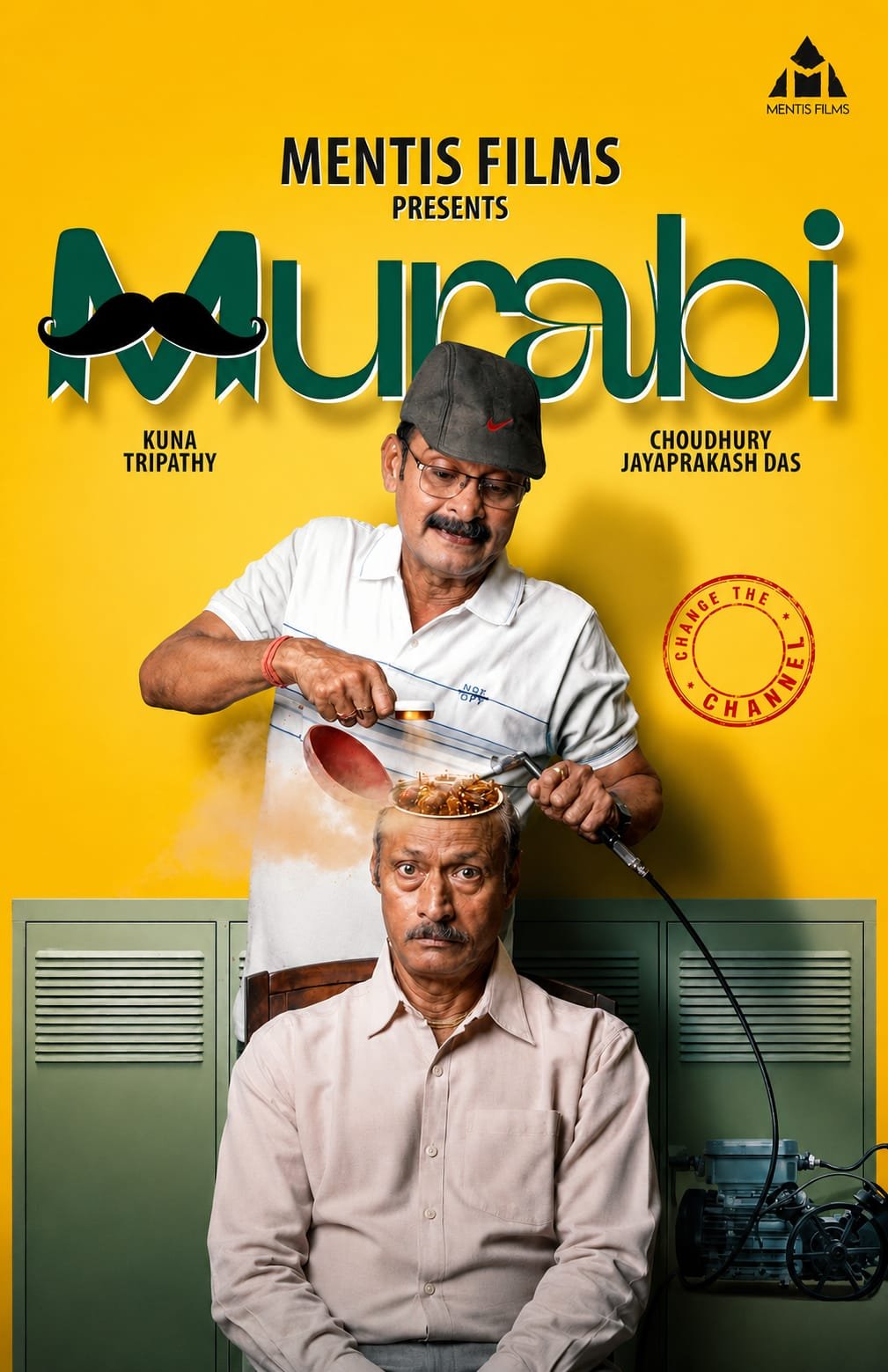
As generations evolve, so do their values and beliefs. Murabi brings this timeless conflict to the screen, portraying the emotional struggle between authority, freedom, and family bonds.
Story Line
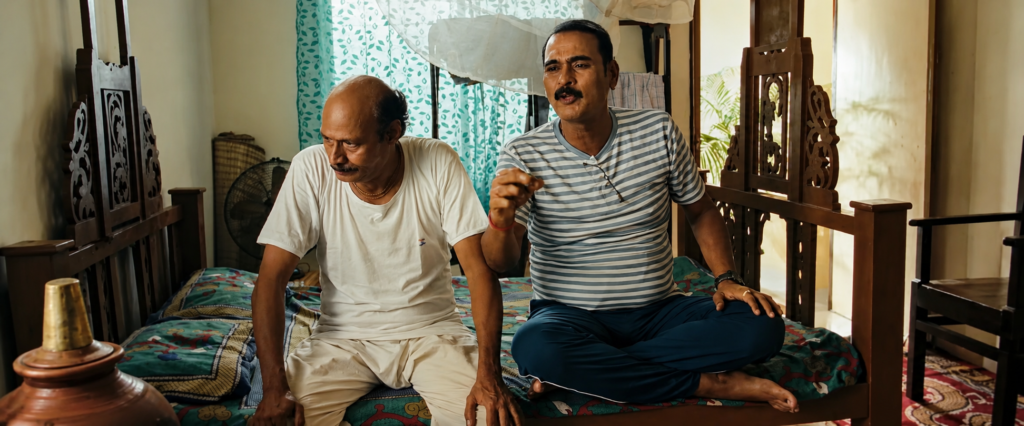
Murabi is a family drama that explores the generational divide between the traditional values of a family patriarch and the modern outlook of the younger generation. Described as an emotional roller-coaster, the film revolves around the conflict between personal freedom and a disciplined family structure. At its core, the story is about a “Murabi” — a guiding force that exists in every family. The film presents two contrasting mindsets through two individuals who serve as the heads of their respective families, one deeply rooted in discipline and control, and the other representing a more liberal perspective.
Direction and Concept
Directors Sisir and Peenake Singh once again deliver a clean and engaging narrative. Much like their acclaimed film ‘Phalguna Chaitra’, they make their characters feel authentic and relatable. Their strength has always been balancing emotion, comedy, drama, and entertainment, and Murabi is no exception. The directors successfully maintain this balance throughout the film, making the emotional moments resonate effectively.
The film is built on a strong concept developed by Vishal Mourya and Debiprasad Lenka, who deserve credit for crafting a story that reflects contemporary family dynamics while staying rooted in cultural values.
Music
Background score and music play a crucial role in shaping a film’s emotional landscape. Agnimitra Behera’s score effectively enhances the narrative, supporting the mood and emotional depth of key scenes. And voice contribution of singers were outstanding.
Cinematography
A cinematographer is often referred to as the visual architect of a film, responsible for determining how audiences experience the story visually. Yudhistira Behera handles this responsibility competently. However, in parts of the first half, the cinematography feels inconsistent. Certain shots suffer from excessive shakiness and unnecessary tilts that could have been avoided. Fortunately, the visual treatment becomes much smoother and more refined in the second half.
Screenplay and Dialogues
A screenplay serves as the blueprint of a film, transforming an idea into a structured visual narrative. P. Santosh has done an excellent job in this department, ensuring that the story progresses effectively. His dialogues are impactful and contribute significantly to the film’s emotional strength. However, a few dialogues feel repetitive, which slightly reduces their effectiveness.
Art Direction
Art direction plays a crucial role in establishing the visual identity and atmosphere of a film. In Murabi, Sudhanshu Bhusan Mohanty with team succeeds in creating believable environments that complement the story’s family-oriented setting. The production design feels grounded and realistic, helping the audience connect with the characters and their everyday lives. The interiors, household spaces, and supporting visual elements effectively reflect the social and emotional backgrounds of the families portrayed in the film.
Performances
Kuna Tripathy (Jena Babu) and Jayprakash (Swain Babu) deliver standout performances as the film’s central characters. Their portrayals bring authenticity and emotional weight to the narrative.
B.M. Baisali, whom I have seen in previous works, once again delivers a natural and convincing performance. Kalpana, despite having experience in television serials, appears to need further grooming, as her performance occasionally lacks naturality.
Udit Guru proves his capability as an actor, particularly in emotional scenes where he captures the required depth effectively. While some portions of his performance feel uneven, he regains his footing whenever the narrative demands emotional intensity.
Manke emerges as a representative of the younger generation. She is emotionally honest and compassionate about her acting. She has given her best in this film.
Supporting actors including Prasanjeet, Ankita, and others contribute positively to the film and help strengthen the overall narrative.
Next comes the strength and flaws in a movie
The film succeeds in creating emotionally engaging moments without becoming overly melodramatic. The directors maintain a fine balance between drama, emotion, humor, and entertainment, ensuring that the narrative remains engaging throughout.
Another major strength is the characterization. The central characters are written with enough depth to represent different perspectives rather than simple heroes or villains. This allows the audience to understand and connect with both sides of the conflict.
Additionally, the film carries a meaningful message about understanding, respect, and coexistence between generations. Rather than taking sides, it encourages dialogue and mutual understanding, which adds maturity to the storytelling.
Discussing flaws does not imply that a film is unsuccessful; rather, it highlights areas where talented filmmakers can further improve in future projects.
Some frames are noticeably shaky, while others feature excessive camera tilts. This may have been an intentional creative choice by the director or cinematographer, but on a large cinema screen these visual decisions occasionally become distracting and affect viewing comfort.
The sequence filmed at the Konark Sun Temple appears visually weaker than expected for a film of this scale. The exposure in several shots seems slightly overblown. While shooting restrictions at a heritage site can create practical challenges, the exposure could perhaps have been better balanced during post-production.
Another minor continuity issue occurs when Kuna Tripathy and Udit Guru travel to purchase wine. Both the outgoing and return shots show them moving in the same direction. Although easily overlooked by most viewers, adjusting the shot orientation or changing the direction of movement could have improved visual continuity.
Overall Verdict
Murabi is a heartfelt family drama that successfully captures the emotional and ideological conflict between generations. Backed by sincere performances, effective direction, a strong screenplay, and emotionally resonant moments, the film remains engaging while delivering a meaningful message about family, understanding, and the role of a guiding force within a household. Though the film suffers from a few technical inconsistencies, particularly in some camera work and visual presentation, these shortcomings do not significantly diminish its emotional impact. What makes Murabi work is its ability to present familiar family situations with honesty and sensitivity, allowing audiences to see reflections of their own lives on screen. For viewers who appreciate relationship-driven stories rooted in family values and contemporary social realities, Murabi offers an emotionally rewarding cinematic experience. It may not be flawless, but its strong emotional core and relatable storytelling make it a film worth watching.